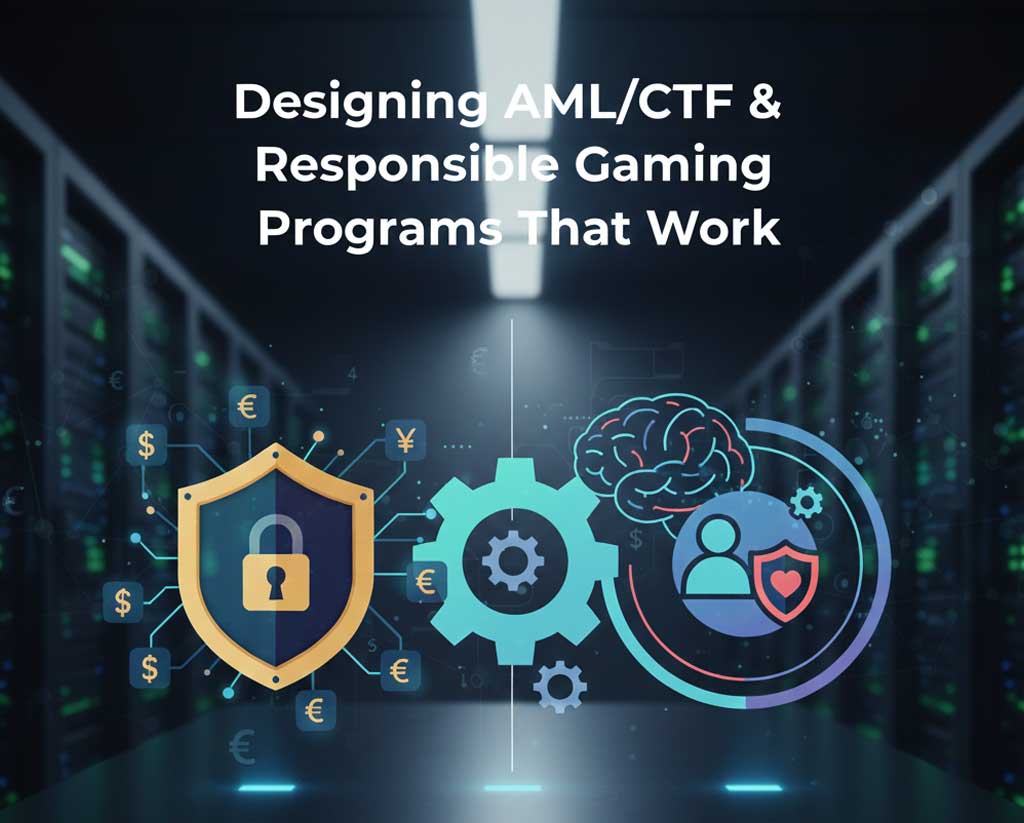
In today’s highly regulated gaming and technology landscape, operators face increasing scrutiny to ensure compliance with Anti-Money Laundering (AML), Counter-Terrorism Financing (CTF), and Responsible Gaming (RG) obligations. These programs are not just legal requirements—they are essential to safeguarding your business, protecting players, and maintaining trust with regulators and stakeholders.
At beran.law, we help gaming and tech companies design compliance frameworks that are practical, effective, and aligned with global best practices. Here’s what makes a program work.
1. Start with a Risk-Based Approach
A one-size-fits-all program doesn’t work. Every operator faces unique risks based on:
- Jurisdiction – Different countries impose varying AML/CTF and RG requirements.
- Business Model – Sweepstakes, social casinos, licensed wagering, or hybrid models.
- Customer Profile – High-value players, cross-border transactions, and digital wallets.
Conducting a comprehensive risk assessment is the foundation. Identify high-risk products, customer types, and transaction patterns, then tailor controls accordingly. Update this assessment regularly as your business evolves.
2. Core Elements of an AML/CTF Program
An effective AML/CTF framework should include:
- Clear Governance & Accountability
Appoint an AML Compliance Officer and ensure board-level oversight. Use a RACI matrix to define responsibilities. - Know Your Customer (KYC) & Customer Due Diligence (CDD)
Verify identities before onboarding, apply enhanced due diligence for high-risk customers, and screen against sanctions lists. - Transaction Monitoring & Suspicious Activity Reporting (SAR)
Implement automated monitoring tools to detect unusual patterns and escalate promptly. - Training & Culture of Compliance
Regular staff training ensures awareness of AML/CTF obligations and red flags. - Independent Testing & Continuous Improvement
Periodic audits and stress tests validate program effectiveness and regulatory compliance.
3. Building Responsible Gaming Programs
Responsible Gaming is about player protection and sustainability. Key components include:
- Player Protection Tools
Deposit limits, time-outs, reality checks, and self-exclusion options empower players to stay in control. - Data-Driven Monitoring
Use behavioural analytics to identify risky patterns (e.g., extended play sessions, escalating deposits) and intervene early. - Transparent Marketing & Communication
Avoid targeting vulnerable groups and integrate RG messaging into all customer touchpoints. - Employee Training & Stakeholder Engagement
Equip staff to recognize signs of problem gambling and direct players to support services. - Independent Accreditation
Programs like RG Check or WLA frameworks provide external validation and build trust with regulators and customers.
4. Integrating AML/CTF and RG into Business Strategy
Compliance should not be a siloed function. The most successful operators embed AML/CTF and RG principles into:
- Product Design – Consider compliance during development, not after launch.
- Technology – Leverage AI and automation for KYC, monitoring, and RG alerts.
- Corporate Culture – Make compliance part of your brand promise.
Why It Matters
Failure to implement robust programs can lead to multi-million-dollar fines, license suspensions, and reputational damage. Conversely, strong compliance frameworks enhance trust, reduce fraud, and support sustainable growth.
How beran.law Can Help
We design and implement AML/CTF and Responsible Gaming programs tailored to your business model and jurisdictional requirements. Our services include:
- Risk assessments and gap analysis
- Policy drafting and governance frameworks
- Training and ongoing compliance support
- Independent program reviews
Ready to build a compliance program that works?
Contact us at beran.law to discuss how we can help you stay ahead of regulatory expectations.